




15
+
YEARS OF
EXPERIENCE
1000
+
SUCCESSFUL
Projects
80
+
Satisfied
Clients
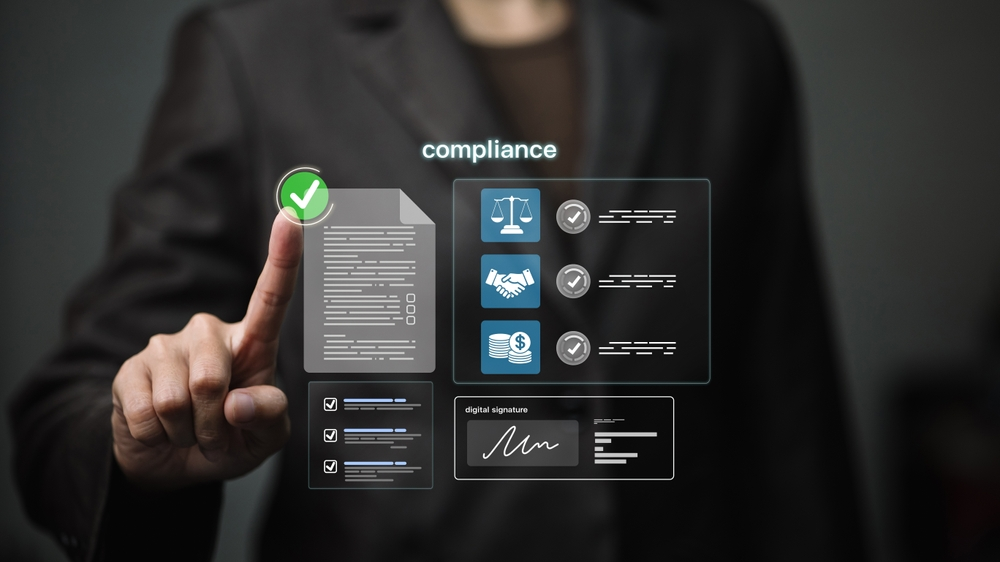
In today’s fast-evolving digital landscape, regulatory compliance has become more critical and complex than ever before. Organisations must navigate a labyrinth of legal mandates, industry standards, and cybersecurity protocols to safeguard their data and reputation. The emergence of the Virtual Compliance Officer (VCO) offers innovative businesses an agile, cost-effective solution to maintain compliance without the overhead of a full-time in-house specialist. This article explores how a Virtual Compliance Officer integrates seamlessly with IT functions to foster regulatory adherence and operational excellence.
Understanding the Role of a Virtual Compliance Officer in Modern IT Environments
The Virtual Compliance officer is transforming how organisations manage regulatory requirements in dynamic IT landscapes. Unlike traditional compliance officers who are permanently embedded within the company, a Virtual Compliance Officer operates remotely, offering specialised expertise on demand. This role focuses on ensuring that IT systems and processes align with legal regulations such as GDPR, HIPAA, PCI-DSS, and other relevant standards depending on industry and geography.
A Virtual Compliance Officer conducts complete risk assessments, audits policies, and implements controls to mitigate compliance gaps. By leveraging advanced IT knowledge alongside regulatory insight, they provide strategic advice tailored to business needs. This model offers significant cost advantages by reducing the need for full-time staff and allows organisations to scale compliance support in line with evolving requirements.
Moreover, the Virtual Compliance Officer bridges communication between IT teams, legal departments, and executive leadership, fostering a culture of compliance throughout the organisation. Such integration helps decrease the risk of costly penalties, data breaches, and reputational damage - all while maintaining business agility and operational efficiency.







Benefits and Challenges of Implementing a Virtual Compliance Officer Strategy
A Virtual Compliance Officer (VCO) provides organisations with flexible access to compliance expertise without the cost of hiring a full-time specialist. This approach is particularly beneficial for growing businesses, companies operating across multiple regulatory environments, or organisations seeking scalable governance and risk management support.
Key Benefits of a Virtual Compliance Officer
- Cost-effective expertise – Organisations gain access to experienced compliance professionals without the overhead of a permanent executive role.
- Continuous regulatory monitoring – A VCO tracks evolving regulatory requirements such as data protection laws, cybersecurity regulations, and industry standards, ensuring your IT environment remains compliant.
- Improved compliance frameworks – Virtual compliance officers design and implement structured governance frameworks aligned with your IT security policies and operational procedures.
- Automated policy enforcement – By integrating compliance controls with IT systems, organisations can automate policy management and maintain consistent regulatory adherence.
- Audit readiness – Regular compliance reviews, documentation management, and internal controls help businesses prepare for regulatory audits more efficiently.
- Employee compliance training – Virtual officers often coordinate awareness programs that reduce the risk of human error and improve company-wide compliance culture.
- Scalability – Services can be expanded or reduced depending on business needs, regulatory exposure, or organisational growth.
Potential Challenges to Consider
- Remote communication barriers – As the role is typically delivered remotely, organisations must implement clear communication protocols and collaboration tools.
- Integration with internal teams – Ensuring the virtual officer is embedded within operational and IT processes is essential for effective governance.
- Data access and security – Granting an external compliance provider access to sensitive systems requires strong identity controls, access management, and secure data handling procedures.
Best Practices for Successful Implementation
- Select a provider with demonstrated experience in your industry’s regulatory landscape.
- Define clear roles, reporting structures, and compliance objectives.
- Use secure collaboration platforms to maintain consistent communication.
- Integrate compliance monitoring with existing cybersecurity and governance frameworks.
When implemented correctly, a Virtual Compliance Officer strategy can strengthen governance, enhance regulatory visibility, and help organisations maintain consistent compliance across complex IT environments.
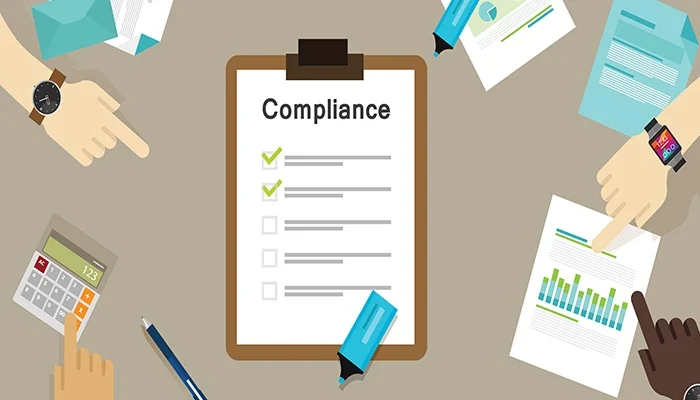
Leveraging virtual compliance capabilities enhances not only regulatory adherence but also operational resilience across IT environments. By embracing this model, organisations gain flexibility, expert oversight, and scalability that traditional compliance mechanisms might lack. Trustworthy providers like Proxar IT Consulting ensure seamless integration and ongoing support to keep your compliance posture robust amid ever-changing regulations.
Real-World Applications and Case Studies Featuring Virtual Compliance Officers
Many organisations have experienced transformative outcomes by integrating a Virtual Compliance Officer into their IT frameworks. For instance, a mid-sized fintech firm faced rapid growth alongside increasingly complex regulatory requirements, including GDPR, PCI-DSS, and AML rules. Partnering with Proxar IT Consulting enabled them to appoint a Virtual Compliance Officer who performed an immediate compliance gap analysis and developed a tailored action plan.
The VCO worked closely with IT and legal teams to implement automated controls, updated policies, and staff training modules. This proactive approach allowed the firm to pass multiple audits without any compliance violations, and importantly, it prevented costly fines while protecting sensitive customer data.
In another example, a healthcare technology provider leveraged a Virtual Compliance Officer to manage HIPAA and data privacy challenges amid a shift to cloud-based platforms. The virtual expert guided secure configuration and continuous monitoring strategies, ensuring patient data confidentiality and breaking down silos between IT security and compliance functions.
These cases highlight how Virtual Compliance Officers bring specialised, adaptive expertise that fits diverse operational needs. Organisations benefit not only from risk mitigation but also improved efficiency, enabling IT teams to focus on innovation while knowing compliance is consistently maintained.

answer time
satisfaction
score
on initial call
same business
day
Elevating Compliance Confidence with Proxar IT’s Virtual Compliance Officer Services
navigating the complexities of IT compliance calls for proactive strategies and expert guidance, exactly what a Virtual Compliance Officer brings to the table. At Proxar IT Consulting, we combine deep regulatory knowledge with cutting-edge IT solutions to empower your organisation’s compliance journey. Whether you require GDPR alignment, cybersecurity policy development, or ongoing audit support, our Virtual Compliance Officers deliver flexible, scalable solutions tailored to your unique environment.
By adopting a Virtual Compliance Officer with Proxar IT, your business gains a trusted partner dedicated to mitigating compliance risks, enhancing operational transparency, and fostering a culture of accountability. This strategic relationship not only streamlines regulatory compliance but also positions your IT infrastructure for sustainable success in a highly regulated digital world.
To explore how our Virtual Compliance Officer services can safeguard your organisation and streamline compliance governance, we invite you to connect with us. Let Proxar IT Consulting be your ally in achieving seamless, efficient, and reliable compliance management.