




15
+
YEARS OF
EXPERIENCE
1000
+
SUCCESSFUL
Projects
80
+
Satisfied
Clients
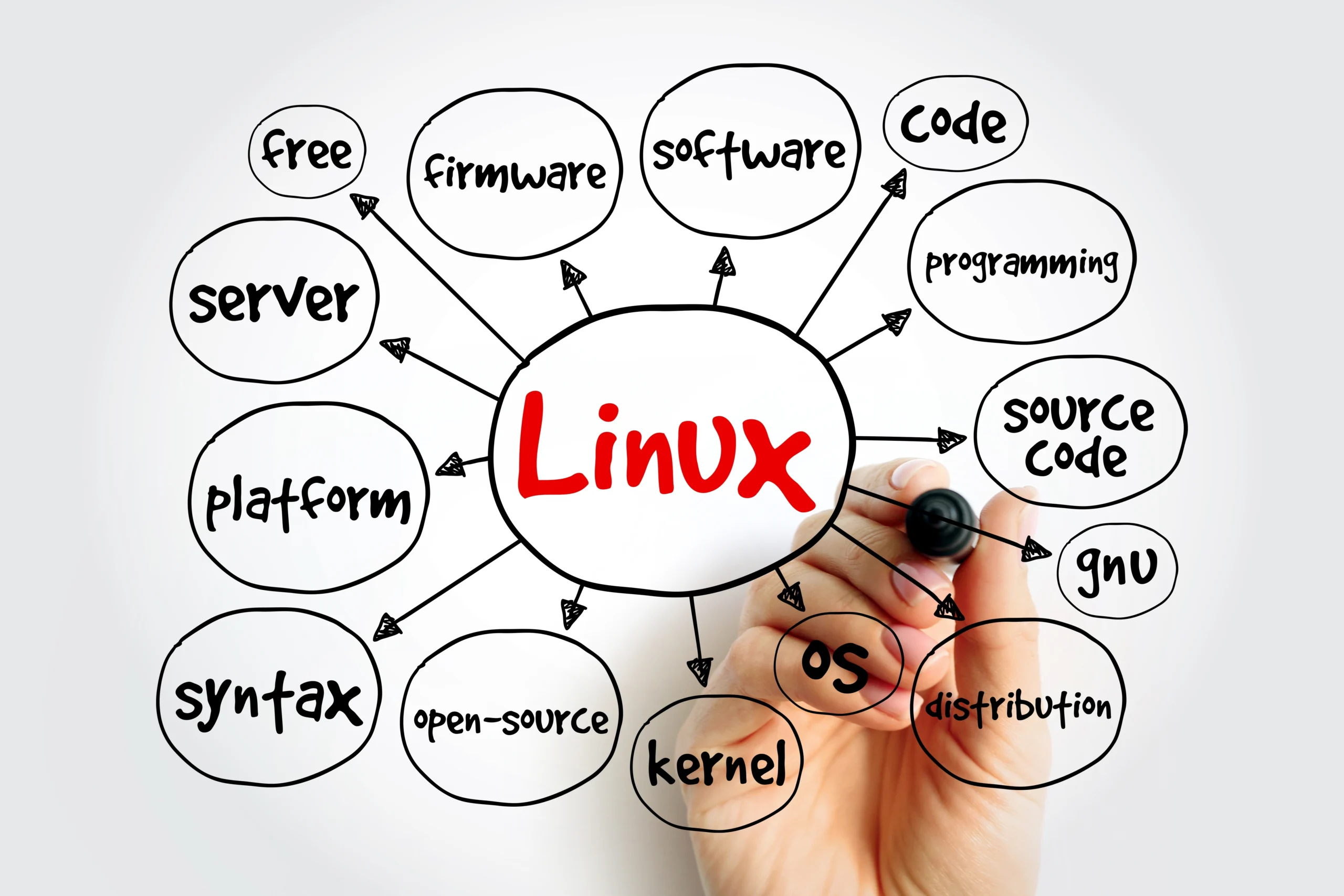
In today’s evolving digital landscape, ensuring robust Linux security compliance has become imperative for enterprises of all sizes. Linux systems power a meaningful portion of enterprise IT infrastructure, making compliance with security standards not only a regulatory necessity but a strategic advantage. From safeguarding sensitive data to maintaining uninterrupted operations, understanding and implementing Linux security compliance frameworks is critical for IT professionals seeking to fortify their environments. This article provides in-depth insights into best practices, challenges, and practical solutions essential for effective Linux security compliance.
Understanding Linux Security Compliance: Essential concepts for IT Professionals
Linux security compliance refers to the adherence of Linux systems and applications to established security standards, policies, and best practices, ensuring that the habitat is protected against vulnerabilities and threats. Compliance frameworks such as CIS Benchmarks, DISA STIGs, PCI-DSS, HIPAA, and GDPR influence how Linux servers are configured, secured, and audited. These standards provide thorough guidelines on system hardening, user access management, patching protocols, auditing, and logging requirements tailored specifically for Linux platforms.
Effective Linux security compliance involves implementing rigorous controls over user privileges, securing network configurations, enforcing encryption standards, and conducting continuous monitoring and vulnerability scanning. This proactive approach prevents unauthorized access, data breaches, and system exploitations. For IT teams, maintaining compliance also means aligning infrastructure management with regulatory mandates that govern data security and privacy - vital for industries like finance, healthcare, and government. Moreover, automated compliance tools can integrate with DevOps and continuous deployment pipelines, enabling organizations to maintain security posture while accelerating innovation.
Proxar IT Consulting specializes in providing tailored compliance strategies that incorporate the latest Linux security frameworks, helping businesses streamline security management without compromising on performance or scalability.




Strategic Benefits of Linux Security Compliance for Enterprises
Implementing Linux security compliance frameworks delivers measurable business value beyond regulatory requirements. Below is a practical guide to the key benefits and considerations for enterprises.
1. Risk Reduction & Asset Protection
- Applies proven security configurations and industry best practices.
- Reduces exposure to common vulnerabilities and cyber threats.
- Protects sensitive data, critical systems, and intellectual property.
- Strengthens customer trust and corporate reputation.
2. Improved System Stability & Uptime
- Enforces regular patching and system updates.
- Minimises downtime caused by breaches or misconfigurations.
- Enhances overall reliability of Linux environments.
3. Audit Readiness & Regulatory Alignment
- Maintains structured logs, policies, and control documentation.
- Simplifies internal and external audit processes.
- Reduces operational disruption during compliance reviews.
4. Operational Efficiency Through Standardisation
- Creates consistent security baselines across environments.
- Improves IT team efficiency and reduces configuration drift.
- Supports scalable infrastructure management.
5. Common Challenges
- Managing diverse and complex Linux environments.
- Balancing security requirements with user productivity.
- Keeping up with evolving regulations and standards.
6. Best Practice Approach
- Implement clear security policies and governance.
- Invest in employee training and awareness.
- Leverage automation tools for compliance monitoring and enforcement.
- Engage expert consulting to accelerate implementation and reduce risk.
7. Long-Term Strategic Impact
Embedding compliance into core IT operations transforms it from a one-time obligation into a continuous improvement process. This enables organisations to build long-term security resilience across their Linux infrastructure.

Linux security compliance not only strengthens defense mechanisms but also aligns IT practices with organizational governance. Implementing automated compliance scanning and configuration management helps maintain consistent security postures across all Linux servers. Moreover, real-time alerts and reporting enable proactive responses to emerging threats, reducing risk exposure and improving incident response times.
Advanced Linux Security Compliance Practices: Case Studies and Real-World Examples
Proxar IT Consulting’s expertise is best reflected through successful client engagements where advanced Linux security compliance strategies have delivered measurable outcomes. One such case involved a multinational financial institution struggling with disparate Linux environments scattered across global data centers. By deploying standardized CIS Benchmark configurations and integrating automated compliance monitoring tools, Proxar IT helped the client reduce security incidents by 40% within the first six months while ensuring continuous audit readiness.
Another illustrative example is in the healthcare sector, where stringent HIPAA requirements compel strict data handling and system security protocols. Proxar IT implemented role-based access controls, encrypted filesystem configurations, and rigorous logging practices on Linux servers hosting patient data. As a result, the client achieved full compliance certification with zero findings reported during external audits, enabling secure expansion of telehealth services amidst a rapidly changing regulatory landscape.
These projects underscore the importance of combining technical controls with ongoing compliance assessments and staff training to create a robust security culture. Enterprises can also utilize container security frameworks and Linux Security Modules (LSMS) such as SELinux or apparmor to enhance compliance postures in modern cloud-native environments. Emphasizing continuous improvement and leveraging expert consultancy are key differentiators for organizations aiming to stay ahead of compliance mandates and cyber threats.
Partnering with Proxar IT ensures access to cutting-edge compliance tools, tailored frameworks, and industry-specific knowledge, empowering businesses to not only meet but exceed Linux security compliance requirements.

answer time
satisfaction
score
on initial call
same business
day
Securing Your Linux Infrastructure with Proxar IT: Expert Guidance and Solutions
Linux security compliance is an ongoing journey demanding expertise, vigilance, and adaptable strategies to navigate the complex and ever-evolving threat landscape. By integrating comprehensive compliance frameworks and leveraging industry best practices, organizations can protect their Linux environments effectively while supporting business agility. Proxar IT Consulting remains committed to guiding enterprises through every stage of this process, offering tailored assessments, automated compliance frameworks, and continuous monitoring solutions.
Taking proactive steps today not only safeguards your data and infrastructure but also positions your business for future growth with confidence. To learn how Proxar IT can help you achieve and maintain seamless Linux security compliance, we invite you to connect with us. Our experienced consultants will work closely with your team to develop scalable, sustainable, and efficient compliance solutions tailored to your unique needs.
For tailored advice, practical implementations, and ongoing support, please contact us and take the first step toward fortified Linux security compliance.