




15
+
YEARS OF
EXPERIENCE
1000
+
SUCCESSFUL
Projects
80
+
Satisfied
Clients
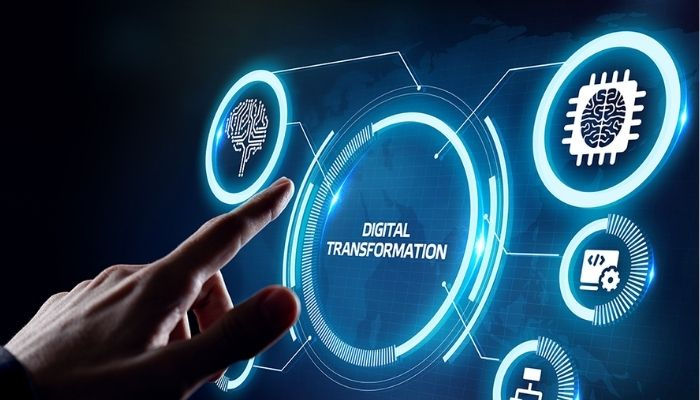
Digital transformation is no longer a buzzword but an essential imperative for businesses aiming to thrive in today’s competitive landscape. As organizations adapt to rapidly changing technologies and market demands, understanding the end goals of digital transformation becomes crucial. This evolution is not just about implementing new tools but about reshaping business models, enhancing customer experiences, and driving operational excellence. Here, we explore what successful digital transformation truly aims to achieve for forward-thinking enterprises.
Defining the End Goals of Digital Transformation: Strategic Business Outcomes
Digital transformation encompasses more than just adopting new technologies-it represents a basic shift in how businesses operate, engage with stakeholders, and deliver value. The primary end goals focus on achieving strategic business outcomes such as enhanced customer satisfaction, improved agility, and increased revenue streams. By integrating digital tools and processes, organizations can unlock deeper insights through data analytics, enabling more informed decision-making and personalized customer engagements.
Moreover, digital transformation drives operational efficiency by automating repetitive tasks, streamlining workflows, and fostering collaboration across teams. This reduces costs and accelerates time-to-market for new products or services. Ultimately, the end goals revolve around creating a sustainable competitive advantage through continuous innovation, adapting rapidly to market changes, and aligning technology initiatives with overarching business objectives. Proxar IT Consulting specializes in guiding enterprises through this complex journey, ensuring that technology investments directly contribute to these measurable outcomes.






Achieving Sustainable Growth: End Goals of Digital Transformation
Sustainable growth is one of the primary objectives of digital transformation. To achieve it, modern enterprises must adopt a structured, outcome-driven approach that aligns technology, people, and processes.
1. Build an Integrated Digital Ecosystem
- Break down silos between IT and business units to improve collaboration.
- Create unified platforms that connect data, applications, and workflows.
- Enable faster decision-making through shared visibility and insights.
2. Prioritize Customer-Centric Digital Innovation
- Deliver personalized customer experiences at scale across digital channels.
- Collect and analyze customer feedback to continuously refine products and services.
- Use data-driven insights to anticipate market trends and customer expectations.
3. Proactively Address Transformation Challenges
- Integrate legacy systems without disrupting ongoing operations.
- Overcome cultural resistance by promoting a digital-first mindset.
- Strengthen cybersecurity to protect data and maintain trust.
4. Invest in People, Governance, and Expertise
- Upskill employees to ensure long-term digital readiness.
- Implement robust governance frameworks to manage risk and compliance.
- Leverage trusted IT consulting partners, such as Proxar IT Consulting, for expert guidance.
5. Measure Outcomes and Enable Continuous Improvement
- Define clear, outcome-oriented transformation objectives.
- Track benefits such as operational resilience, employee productivity, and optimized customer journeys.
- Continuously adjust strategies to align with long-term growth goals.
By aligning digital transformation initiatives with sustainable growth objectives, enterprises can turn technology into a catalyst for continuous innovation, competitive advantage, and market leadership.

Digital transformation does not deliver value overnight. It requires thoughtful planning, cross-functional collaboration, and ongoing refinement. The long-term benefits, however, are transformative-turning traditional business models into agile, data-driven enterprises ready to embrace future opportunities. Partnering with experts ensures a tailored approach that matches specific organizational goals and industry requirements.
Realizing Business Value: Practical Examples of End Goals in Digital Transformation Success Stories
Many industry leaders have demonstrated how achieving the end goals of digital transformation can translate into tangible business value. Such as, global retail companies have leveraged omnichannel digital platforms to unify customer experiences, resulting in higher satisfaction and increased sales conversion rates. Similarly, manufacturing enterprises implementing IoT and predictive analytics have reduced downtime and optimized supply chain management, leading to significant cost savings.
At Proxar IT Consulting, we have supported numerous clients across sectors in defining and reaching their unique digital transformation objectives. For instance, in the financial sector, we helped implement secure digital onboarding processes, reducing client acquisition times while maintaining regulatory compliance. In healthcare, our solutions enhanced patient data accessibility and operational workflows, improving care delivery and resource allocation.
These case studies highlight that the end goals of digital transformation are inherently tied to specific business needs. Whether it’s driving innovation, improving customer engagement, or streamlining internal operations, a tailored transformation strategy is paramount. By focusing on measurable results and continuous improvement, organizations can realize the full potential of their digital investments and secure long-term success.

answer time
satisfaction
score
on initial call
same business
day
Empower your organization with Clear Digital Transformation objectives
Understanding and defining the end goals of digital transformation is essential for any organization looking to capitalize on digital opportunities while mitigating risks. as we have explored, these goals encompass a broad spectrum-from increased operational efficiency and customer-centric innovation to sustainable growth and continuous adaptability. Aligning technology strategies with these objectives ensures that digital initiatives generate lasting value across all business dimensions.
At Proxar IT Consulting, we are committed to partnering with your organization to clarify, plan, and execute your digital transformation journey with precision. Our expertise in IT solutions and industry best practices enables us to tailor approaches that suit your unique challenges and goals. We invite you to connect with us today to explore how we can help deliver transformative results that elevate your business in an increasingly digital world.
For more information or to begin your digital transformation journey, please contact us.